
Gardening and landscaping have long been cherished pastimes for Canadians and North Americans alike. From the lush gardens of Vancouver to the manicured lawns of New York, people across the continent share a common love for enhancing their outdoor spaces. Whether you’re a seasoned horticulturist or just beginning to dig into the world of gardening, this comprehensive guide will provide you with the insights and tips you need to create a beautiful outdoor oasis.
In this article, we will explore the essentials of gardening and landscaping, tailored to the specific climate and conditions of North America. You will learn about plant selection, soil preparation, design ideas, and maintenance strategies that are well-suited to the varying regions across the continent. By the end of this article, you’ll be equipped with the knowledge and inspiration to transform your backyard, front yard, or any outdoor area into a thriving and picturesque space.
1: Planning Your Outdoor Space
Before you start digging and planting, it’s essential to have a clear plan for your outdoor space. This chapter will guide you through the initial steps to ensure a successful gardening and landscaping project.
- Assess Your Environment
Understanding the climate and soil conditions specific to your region is fundamental. In Canada and North America, we experience diverse climates, from the icy winters in the northern territories to the sweltering summers in the southern states. Begin by identifying your hardiness zone, which will dictate the types of plants that can thrive in your area.
- Define Your Goals
What are your goals for your outdoor space? Are you looking to create a relaxing oasis, a vibrant flower garden, or a productive vegetable patch? Defining your objectives will help you make informed decisions about plant selection and design.
- Create a Budget
Gardening and landscaping can be as affordable or as extravagant as you choose. Determine your budget early on to avoid overspending and to plan your project accordingly.
 2: Plant Selection and Care
 2: Plant Selection and Care
Now that you’ve laid the groundwork, let’s dive into the heart of your gardening and landscaping project – selecting the right plants and caring for them.
- Native Plants
One of the most effective ways to ensure the success of your garden is by choosing native plants. Native plants are naturally adapted to the local climate and soil, making them hardy and low-maintenance choices. They also provide essential support for local wildlife.
- Non-Native Plants
While native plants should form the foundation of your garden, non-native plants can add diversity and color. However, be cautious when selecting non-natives, as some may become invasive and harm the local ecosystem.
- Soil Preparation
Healthy soil is the key to a thriving garden. Test your soil to determine its pH and nutrient levels. Amend the soil as needed by adding organic matter like compost and mulch to improve its structure and fertility.
- Planting Techniques
Learn proper planting techniques to give your plants the best chance for success. Consider factors such as plant depth, spacing, and watering needs. Each type of plant may have specific requirements, so do your research.
- Maintenance
Regular maintenance is essential to keep your garden and landscape looking their best. This includes tasks like watering, weeding, pruning, and fertilizing. Set up a maintenance schedule to ensure your garden stays in top shape.
3: Garden Design Ideas
Your garden’s design can make a significant impact on the overall aesthetics of your outdoor space. Here are some creative garden design ideas to consider:
- Container Gardens
Container gardens are perfect for those with limited space. You can grow various plants, from flowers to herbs, in pots and containers, creating a vibrant, flexible, and easily movable garden.
- Rock Gardens
Rock gardens are an ideal choice for areas with poor soil or drainage problems. The combination of stones, drought-tolerant plants, and carefully chosen succulents can create a striking landscape.
- Cottage Gardens
Cottage gardens are known for their lush and informal style. These gardens are characterized by a mix of colorful flowers, climbing plants, and a relaxed layout that exudes charm and character.
- Japanese Gardens
For those seeking a tranquil and zen-like outdoor space, consider a Japanese garden. They typically feature carefully placed rocks, raked gravel, and well-pruned trees, creating a serene ambiance.
- Wildflower Meadows
Embrace the beauty of native wildflowers by creating a wildflower meadow in your yard. These low-maintenance gardens attract pollinators and provide a natural, unstructured look.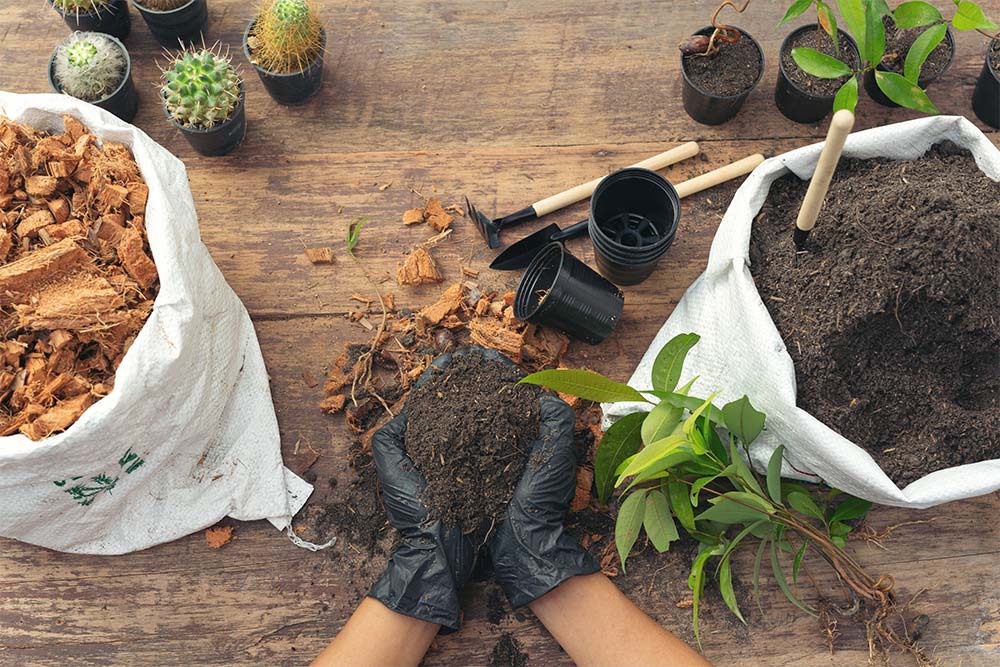
4: Landscaping and Hardscaping
Gardens are not limited to plants alone. Hardscaping elements can add structure and functionality to your outdoor space. Here’s how you can incorporate landscaping and hardscaping into your garden:
- Pathways
Pathways can define the flow of your garden and add an elegant touch. Choose from materials like stone, gravel, or wood to create your desired look.
- Patios and Decks
Patios and decks offer space for outdoor dining, relaxation, and entertaining. Select materials that complement your home’s design and your garden’s style.
- Fences and Walls
Fences and walls provide privacy and can be decorative elements in your garden. Consider wood, stone, or brick options to enhance your garden’s aesthetic.
- Water Features
Water features, such as ponds, fountains, and waterfalls, can add a soothing and natural element to your garden. The sound of flowing water can create a serene atmosphere.
- Lighting
Outdoor lighting extends the usability of your garden into the evening hours. Well-placed lights can highlight focal points and pathways while ensuring safety.
5: Sustainability and Eco-Friendly Practices
As gardeners and landscapers, we have a responsibility to minimize our environmental impact. Here are some eco-friendly practices for Canadians and North Americans:
- Water Conservation
Water is a precious resource, and conserving it is essential, especially in regions with water scarcity. Consider installing rain barrels, drip irrigation systems, or xeriscaping to reduce water usage.
- Composting
Composting your kitchen and garden waste not only reduces landfill waste but also provides nutrient-rich organic matter for your soil.
- Native Plant Landscaping
Choosing native plants and landscaping with them promotes biodiversity and supports local wildlife. It also reduces the need for excessive maintenance and chemical inputs.
- Integrated Pest Management (IPM)
Implement IPM strategies to control pests in an eco-friendly manner, reducing the need for harmful pesticides.
- Sustainable Materials
When hardscaping or adding structures to your garden, choose sustainable materials like reclaimed wood or recycled plastic to minimize your ecological footprint.
6: Seasonal Maintenance
To keep your garden and landscaping looking their best year-round, it’s crucial to know what tasks to perform during each season.
- Spring
In spring, focus on cleaning up debris, pruning, and dividing plants as needed. Start planting new additions to your garden once the soil warms up.
- Summer
Summer maintenance includes regular watering, weeding, and monitoring for pests and diseases. Deadheading spent flowers can encourage new blooms.
- Fall
As the temperatures drop, prepare your garden for winter by mulching, bringing tender plants indoors, and completing any hardscaping projects.
- Winter
Winter maintenance involves protecting your garden from harsh weather conditions. Ensure that any delicate plants are adequately insulated, and remove heavy snow to prevent damage.
7: Resources and Support
As you embark on your gardening and landscaping journey, it’s essential to have access to valuable resources and a supportive community.
- Garden Centers and Nurseries
Local garden centers and nurseries are excellent places to find plants, gardening supplies, and expert advice specific to your region.
- Online Communities
Joining online gardening communities and forums allows you to connect with fellow enthusiasts, share experiences, and seek advice.
- Books and Magazines
Gardening and landscaping books and magazines can provide in-depth knowledge, inspiration, and step-by-step guides for various projects.
- Workshops and Classes
Consider attending gardening workshops or classes to acquire hands-on experience and learn from professionals.
Gardening and landscaping offer Canadians and North Americans the opportunity to create stunning outdoor spaces that reflect their personal tastes and values. By following the guidance provided in this comprehensive guide, you can transform your outdoor area into a beautiful and sustainable oasis. Remember to embrace the unique features of your local environment, choose plants wisely, plan your garden’s design thoughtfully, and care for it seasonally. With a commitment to sustainability and access to valuable resources, you can embark on a rewarding journey to enhance your outdoor space.
Whether you’re a novice gardener or an experienced landscaper, the love of gardening unites us all, and the beauty of your creation will enrich not only your life but also the environment you live in. So, roll up your sleeves, pick up your gardening tools, and let your outdoor dreams come to life. Happy gardening!
