
The beauty of nature is a source of wonder and inspiration for many. With the ever-growing hustle and bustle of modern life, there’s a growing need to reconnect with the outdoors. Creating a well-designed landscape is an excellent way to bring nature closer to home, and this article aims to guide Canadians and North Americans in doing just that.
In this comprehensive guide, we’ll explore the fundamentals of landscape design, from the initial planning stages to the finishing touches that can turn your outdoor space into a natural paradise. Whether you have a spacious garden, a compact backyard, or a cozy patio, these gardening and landscaping ideas will help you transform your outdoor area into a stunning retreat.
The Importance of Landscape Design.
Landscape design is the art of arranging and modifying the features of a yard, garden, or outdoor space for practical and aesthetic purposes. It goes beyond simply planting flowers and shrubs; it’s about creating an environment that is not only visually pleasing but also functional and sustainable. Here are some compelling reasons why landscape design is essential:
Enhancing Aesthetics.
A well-designed landscape can significantly enhance the visual appeal of your property. It creates a harmonious and inviting atmosphere that can boost your mood and provide a serene escape from the daily grind. Think of your outdoor space as a canvas waiting to be painted with nature’s vibrant colors and textures.
Increasing Property Value.
A thoughtfully designed landscape can add considerable value to your home. It’s an investment that pays off when it comes time to sell your property. Potential buyers are often drawn to homes with beautiful outdoor spaces, as they can envision themselves enjoying the outdoor lifestyle.
Environmental Benefits.
Landscaping with native plants, proper soil management, and responsible water use can have a positive impact on the environment. It helps conserve water, reduces soil erosion, and provides a habitat for local wildlife. Sustainable landscaping practices are not only eco-friendly but also a way to contribute to the well-being of your community.
Functional Use of Space.
Landscape design isn’t just about looks; it’s about optimizing the use of your outdoor area. Whether you want a space for entertaining, gardening, or relaxation, a well-designed landscape ensures that your outdoor space meets your needs and preferences.
Planning Your Landscape.
Before you start digging, it’s crucial to have a well-thought-out plan in place. Planning is the foundation of a successful landscape design project. Here’s how you can get started:
Assess Your Space.
Begin by taking a close look at your outdoor space. Consider factors like the size and shape of your area, the existing plants, the slope of the land, and any elements you want to retain, such as trees or shrubs. Understanding your space’s characteristics will guide your design choices.
Set Goals and Priorities.
What do you want to achieve with your landscape design? Do you desire a vibrant flower garden, a serene meditation spot, or a family-friendly space for gatherings and play? Identify your priorities and goals for your outdoor area to ensure your design meets your needs.
Create a Budget.
Determine how much you’re willing to invest in your landscape project. Setting a budget will help you make informed decisions about the scale and scope of your design. It’s essential to strike a balance between your aspirations and your financial resources.
Choose a Style.
Landscape design styles vary widely, from formal and traditional to contemporary and naturalistic. Select a style that resonates with your personal preferences and complements the architecture of your home. Consistency in style creates a cohesive and visually pleasing outdoor space.
Consider Seasonal Changes.
In Canada and North America, you’ll experience distinct seasons. It’s essential to plan your landscape to be visually appealing and functional year-round. Consider the bloom times of different plants, as well as the need for hardscape elements like patios or fire pits for colder months.
Sketch Your Ideas.
Create rough sketches or diagrams of your outdoor space, in cluding the layout of your design elements. This will help you visualize how your landscape will look and how different components will work together. You don’t need to be an artist; a simple drawing will suffice.

Plant Selection and Garden Layout.
Once you have a clear plan in place, it’s time to dive into the heart of your landscape design: selecting plants and arranging them in a way that brings your vision to life.
Choose the Right Plants.
The plant selection process is one of the most exciting aspects of landscape design. However, it’s essential to choose plants that are well-suited to your climate and local conditions. Native plants are an excellent choice, as they are adapted to the region and typically require less maintenance.
Think About Color and Texture.
Create visual interest in your landscape by incorporating a variety of colors and textures. Think beyond flowers and consider foliage, bark, and berries. A mix of evergreen and deciduous plants can provide year-round interest.
Create Focal Points.
Focal points draw the eye and add a sense of drama to your landscape. This could be a stunning tree, a water feature, a sculpture, or a well-placed bench. Focal points can anchor your design and create a sense of balance.
Plan for Maintenance.
Consider the level of maintenance your chosen plants will require. Some plants are low-maintenance, while others may need regular pruning, watering, or fertilizing. Be realistic about the time and effort you can commit to garden upkeep.
Layout and Arrangement.
Think about how you’ll arrange your chosen plants. Group plants with similar water and light requirements together. Use different heights and shapes to create depth and dimension in your landscape. Pay attention to the spacing between plants, as they will grow and fill in over time.
 Hardscaping and Outdoor Structures.
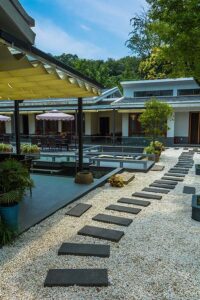 Hardscaping and Outdoor Structures.
In addition to plants, hardscape elements and outdoor structures play a crucial role in landscape design. They provide practical functionality and aesthetic appeal to your outdoor space.
Patios and Walkways.
Patios and walkways are essential for creating a functional outdoor area. They provide a solid surface for seating, dining, and entertaining. Choose materials that complement your design style, whether it’s natural stone, pavers, or concrete.
Decks.
Decks are ideal for raised seating areas that offer a beautiful view of your garden. They are versatile and can be designed to accommodate various activities, from lounging to outdoor cooking.
Water Features.
Water features, such as fountains, ponds, or streams, add a sense of tranquility to your landscape. The sound of running water can be incredibly soothing, and water features often attract birds and wildlife.
Fences and Screens.
Fences and screens provide privacy and structure to your outdoor space. They can be decorative elements in themselves, especially when you choose materials like cedar, bamboo, or wrought iron.
Lighting.
Outdoor lighting extends the usability of your landscape into the evening hours. It adds a touch of magic to your garden and highlights specific features. Consider path lights, uplights, and accent lighting to create a warm and inviting atmosphere.
Planting and Maintenance.
With your plan, plant selection, and hardscape elements in place, it’s time to bring your landscape to life.
Planting.
When planting, be mindful of the specific needs of each plant. Follow spacing guidelines to allow for growth, and ensure that each plant receives adequate water and sunlight. Add a layer of mulch to retain moisture, suppress weeds, and regulate soil temperature.
Irrigation.
A well-planned irrigation system is crucial for keeping your plants healthy. Consider a drip irrigation system to deliver water directly to the root zone, which is more efficient and conserves water.
Maintenance.
Regular maintenance is key to keeping your landscape looking its best. Prune shrubs and trees as needed, weed the garden beds, and monitor for pests and diseases. Be sure to fertilize and amend the soil as required.
 Seasonal Adjustments.
 Seasonal Adjustments.
As the seasons change, make adjustments to your landscape accordingly. Plant annuals for seasonal color, switch out outdoor décor, and adapt your outdoor activities to match the weather.
Sustainable Landscaping.
In an era where sustainability is a growing concern, your landscape design can also be eco-friendly. Here are some tips for making your outdoor space more sustainable:
Use Native Plants.
Native plants are adapted to the local climate, which means they require less water and maintenance. They also provide habitat and food for local wildlife.
Conserve Water.
Incorporate water-saving techniques, such as drip irrigation and rain barrels. Choose drought-resistant plants and consider xeriscaping, which involves using plants that require minimal water.
Compost.
Composting kitchen scraps and yard waste reduces waste and enriches your soil. Compost adds valuable nutrients to the soil, promoting healthy plant growth.
Choose Eco-Friendly Materials.
When selecting hardscape materials, look for options that are eco-friendly and sustainable. For example, consider using reclaimed or recycled materials for your outdoor structures.
Attract Wildlife.
Create a wildlife-friendly environment by planting nectar-rich flowers, providing bird feeders, and offering a water source. Encouraging biodiversity in your landscape benefits the ecosystem and adds an element of natural beauty.
Common Landscape Design Challenges.
While designing your landscape is a rewarding endeavor, it can also come with its fair share of challenges. Understanding these challenges can help you navigate them effectively.
Climate Extremes.
In Canada and North America, weather can be unpredictable, with extreme temperatures and conditions. Be prepared for harsh winters and hot summers by choosing plants that can withstand these climate extremes.
Soil Quality.
The quality of your soil can vary significantly within your property. Conduct soil tests to understand its composition and pH levels. You may need to amend the soil to create an optimal growing environment for your plants.
Pest and Disease Management.
Local pests and diseases can pose a threat to your plants. Be vigilant in monitoring for signs of trouble and take action promptly to prevent infestations and diseases from spreading.
Limited Space.
Small outdoor spaces can be challenging to design, but with careful planning and creative solutions, you can maximize the use of your limited space. Vertical gardening, compact furniture, and container gardens are some ideas for small spaces.
Maintenance Commitment.
Maintaining your landscape requires time and effort. If you have a busy schedule, consider low-maintenance design options and invest in automation, like drip irrigation systems.
Designing your landscape is an exciting journey that allows you to bring the beauty of nature closer to your home. Whether you have a sprawling garden or a compact patio, the principles of landscape design can be applied to create a stunning outdoor haven. Remember to plan carefully, choose the right plants and hardscape elements, and maintain your landscape to ensure it remains a source of joy and relaxation.
By following the guidelines and tips in this comprehensive guide, you can transform your Canadian or North American outdoor space into a natural paradise that not only enhances the aesthetics of your property but also adds value and contributes to a more sustainable and eco-friendly world.
Take the first step in designing your landscape, and soon you’ll be enjoying the sights, sounds, and serenity of your very own outdoor haven.
