
In our fast-paced world, it’s easy to overlook the vital role that bees play in our lives. These tiny pollinators are essential for the reproduction of countless plants, including many of the fruits and vegetables we rely on. However, bee populations are under threat due to habitat loss, pesticide use, and climate change. To help these crucial creatures thrive, we can do our part by creating bee-friendly gardens. This article will guide Canadians and North Americans on how to transform their outdoor spaces into havens for bees and other pollinators.
The Importance of Bee-Friendly Gardens
Why should you consider turning your garden into a bee-friendly oasis? There are several compelling reasons:
Pollination Powerhouse
Bees are remarkable pollinators. They transfer pollen from one flower to another, enabling plants to produce fruits and seeds. In fact, one out of every three bites of food we consume is thanks to these tiny, buzzing insects. Apples, strawberries, and almonds are just a few examples of crops that rely on bee pollination.
Biodiversity Boost
Bee-friendly gardens attract more than just bees; they support a diverse array of pollinators, including butterflies, moths, and hummingbirds. By planting a variety of nectar-rich flowers, you create a welcoming environment for numerous species, contributing to overall biodiversity.
Ecosystem Health
When you cultivate a garden that supports pollinators, you are aiding in the health of your local ecosystem. Bees play a critical role in maintaining the balance of nature by pollinating wildflowers and native plants. They are essential to the survival of many animal species.
Garden Productivity
If you have a vegetable or fruit garden, attracting bees can significantly increase your yield. With more efficient pollination, your plants will produce more robust and abundant harvests.
Stress Reduction
Spending time in a bee-friendly garden can have a calming effect on your well-being. The sight and sound of busy bees can be quite therapeutic, helping you to relax and connect with nature.
Designing Your Bee-Friendly Garden
Now that we’ve established the importance of bee-friendly gardens let’s explore how to create one in your own outdoor space. Here are some steps to help you get started:
 Choose the Right Plants
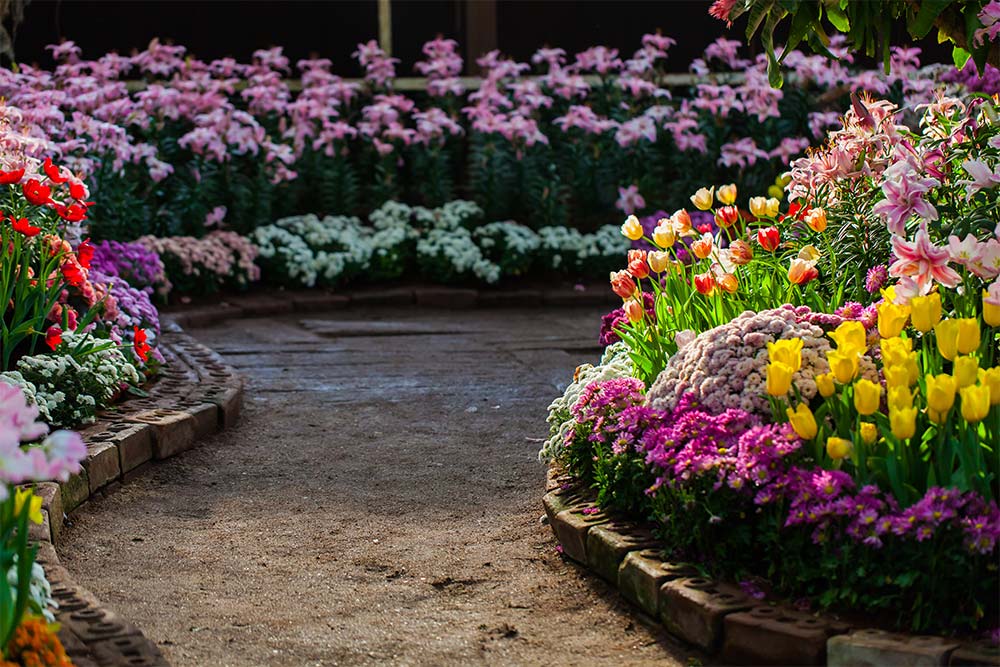
Selecting the right plants is the cornerstone of a bee-friendly garden. Bees are attracted to a variety of flowers, but they are especially fond of those with bright colors like blue, purple, yellow, and white. Native plants are an excellent choice as they have evolved alongside local pollinators and provide the ideal food source.
Consider planting
Lavender
Coneflowers (Echinacea)
Sunflowers
Bee Balm (Monarda)
Phlox
Black-eyed Susans (Rudbeckia)
Wild Lupine
Plant a Variety of Flowers
Diversity is key. Different types of flowers bloom at different times of the year, providing a continuous source of nectar and pollen for bees. Plant a mix of annuals and perennials, and include a range of flower shapes and sizes to cater to various bee species.
Avoid Pesticides and Herbicides
To truly create a bee-friendly garden, you must abstain from using chemical pesticides and herbicides. These harmful substances not only kill bees directly but also contaminate the nectar and pollen they collect. Instead, opt for natural pest control methods or choose pest-resistant plant varieties.
Provide Water
Bees need access to water for drinking and cooling their hives. Place shallow dishes of water in your garden, making sure to include stones or floating cork to give the bees a landing spot and prevent drowning.
 Nesting Sites
In addition to food sources, bees also need suitable nesting sites. Leave some areas of your garden undisturbed with bare soil or provide bee houses. These can be as simple as drilled wood blocks or purchased bee hotels.
Seasonal Planning
Plan your garden so that there is a consistent supply of blooming flowers from early spring through late fall. This ensures that bees have a reliable food source throughout the growing season.
In Canada and North America, bee-friendly gardening comes with its unique challenges and opportunities. Here are some regional considerations to make your garden truly welcoming to local pollinators:
Native Plant Focus
Canada and North America boast a rich diversity of native plants. These flora have co-evolved with local pollinators, making them an ideal choice for your bee-friendly garden. Native plants are well-suited to the region’s climate and soil conditions, requiring less maintenance.
Cold Climate Preparation
Canadians, in particular, face harsh winter conditions. Ensure that your garden is prepared for the cold months by selecting cold-hardy plant varieties. Consider planting shrubs and trees that provide winter food and shelter for bees.
Bee-Friendly Trees
Trees are vital for bees as they offer abundant flowers and nesting sites. In North America, species like Eastern Redbud, White Fringetree, and Eastern Red Cedar are excellent choices. In Canada, try planting Canadian Hemlock, Paper Birch, or Red Maple.
Butterfly Gardens
In addition to bees, many Canadians and North Americans are interested in attracting butterflies to their gardens. To create a multifunctional garden, choose nectar-rich flowers that appeal to both bees and butterflies, such as Butterfly Weed (Asclepias), Joe-Pye Weed (Eutrochium), and Milkweed (Asclepias).
Drought-Resistant Plants
Certain regions in North America experience drought conditions. Consider drought-resistant plants in your garden, such as Blanket Flower (Gaillardia), Agastache, and Sedum. These plants not only conserve water but also attract bees and pollinators.
Tips for Maintaining Your Bee-Friendly Garden
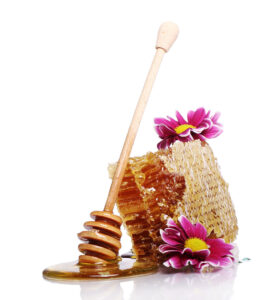 Creating a bee-friendly garden is a rewarding endeavor, but it does require ongoing care and attention. Here are some tips for maintaining your pollinator paradise:
Regular Pruning and Weeding
Regularly prune your plants to remove dead or overgrown branches, and weed your garden to keep it tidy. This allows your flowers to thrive and ensures that the bees can easily access the nectar.
Mulch Mindfully
While mulch can help retain moisture and regulate soil temperature, it can also make it difficult for ground-nesting bees to access their nests. Be mindful of where you apply mulch, leaving some areas without it to accommodate nesting sites.
Monitor for Pests
Keep an eye out for common garden pests, but instead of resorting to chemical pesticides, consider natural solutions like introducing ladybugs, lacewings, or encouraging natural predators like birds.
Support Local Beekeepers
If you have the space and the inclination, consider supporting your local beekeeping community by hosting beehives in your garden. Beekeepers can provide valuable knowledge and assistance in maintaining your garden.
Educate Others
Spread the word about the importance of bee-friendly gardens and inspire others to create their own. The more people who join the cause, the better it is for our pollinators.
The Rewards of a Bee-Friendly Garden
A bee-friendly garden is not just a haven for pollinators; it’s a source of joy and wonder for gardeners and nature enthusiasts. Here are some of the rewards you can expect:
Abundant Blooms
With a well-designed garden, you’ll enjoy an explosion of color and fragrance as your flowers attract a symphony of pollinators.
 Fresh, Homegrown Food
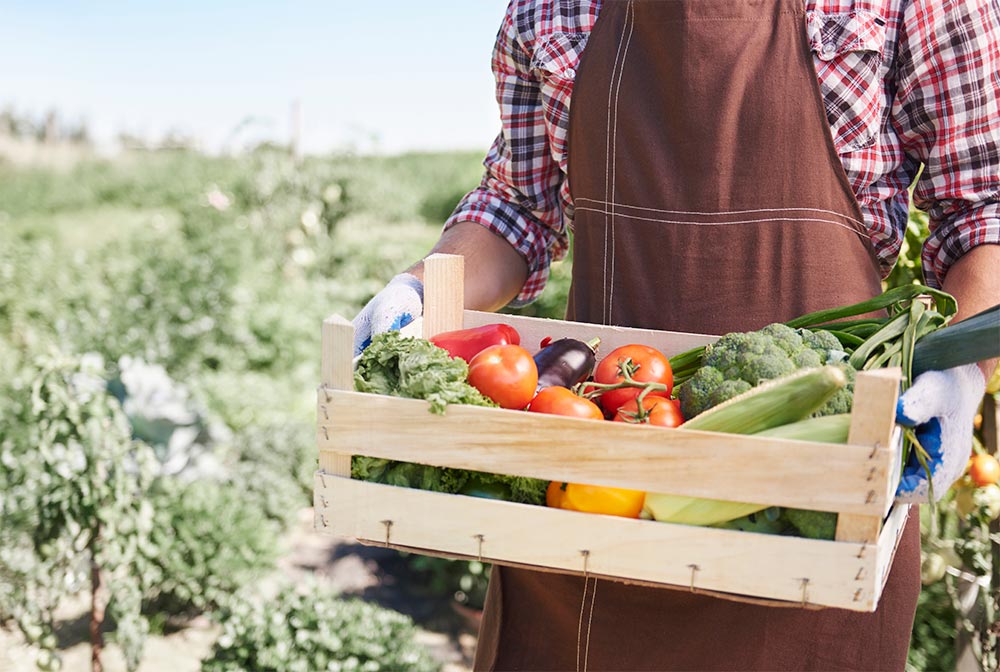
If you have a vegetable or fruit garden, your bee-friendly garden will ensure you have access to a bountiful harvest of delicious, homegrown produce.
Wildlife Watching
Your garden will become a hotspot for observing a variety of wildlife, from bees and butterflies to birds and small mammals.
Improved Well-Being
Spending time in your garden can be a source of relaxation and connection to nature. It’s a place to unwind, meditate, or simply enjoy the beauty of the natural world.
Community Building
Bee-friendly gardens can also bring people together. You may find yourself exchanging tips and stories with neighbors and fellow gardeners, creating a sense of community.
Creating a bee-friendly garden is an enjoyable and fulfilling way to support pollinators and enhance biodiversity. As Canadians and North Americans, we have a unique opportunity to contribute to the health of our local ecosystems while enjoying the many benefits of a thriving garden.
By selecting the right plants, avoiding harmful chemicals, and providing a welcoming environment for bees and other pollinators, you can make a significant difference in your corner of the world. So, roll up your sleeves, put on your gardening gloves, and join the growing movement of bee-friendly gardeners. Your garden will buzz with life, and you’ll have the satisfaction of knowing you’re helping these vital creatures continue their essential work.
